就更不說辯論了,她說她很害怕在公開場合講話,Public speaking or singing is her weakness。但她明明就很愛講也很愛唱歌,所以她所抗拒的,其實公開表演。
我對她說:
Performance is the key for anything。
如果無法在大眾面前完成一件演說,演出,那就沒有辦法在未來為自己站出來發聲,You need to know how to speak out for yourself.
我不是要妳成為我的某個學生,拿獎品或是成為我拿去炫耀的商品,妳問我存在的意義?
我告訴妳:我們都會死亡,早晚而已。但如何證明我曾經存在過?
我有三個漂亮的孩子,我有很多曾經是我的學生,有商品也有歷屆所有與學生參與活動的各種照片與影片回顧。
她說:You have EllyEnglish。
我回她,對。
我存在的意義不是在於有多少存款,多少獎狀,還是考上名校,出國唸書,英檢幾分。
我存在的意義是,我嘗試過很多事,我勇敢接受挑戰。I have been trying so many possibilities and taking challenges, and as long as one kid got the inspiration, that’s my purpose of my life.
In January this year, I was playing a hockey game. I got tripped—clearly, obviously tripped—but the referee didn’t call a penalty. We lost the game, and I was furious. When I got home, I took all my anger out on my little brother and hit him. I knew it wasn’t right, but I was so frustrated I locked myself in my room.
That night, I knit a blanket and listened to Stray Kids—my favorite K-pop group. It wasn’t about hiding. Knitting and music help calm me down. They give me space to think and figure out the right attitude to face whatever challenge comes next.
I fell asleep halfway through the blanket. The next day, I got back on the ice. Magic didn’t happen—I got hit in the nuts with a puck, didn’t try hard enough, and we lost again. To the blue team this time. My dad got mad. He almost kicked me off the team. Honestly? He wasn’t wrong. I was scared to give it my all. Maybe I didn’t even know how to.
Still, I apologized to Coach Mike and promised to play harder.
Next game? Another loss. The other team tripped me again, and again—no call. We lost to the orange team. At that point, I was sick of talking about losing. Three games in a row. It felt awful.
But here’s the twist: I didn’t give up. I kept showing up.
Then—finally—I scored my first goal. I played harder. I earned the golden jersey, got ice cream, a slushie, and was named Player of the Week. How did I feel? Great. Amazing. Proud. Not because I won, but because I didn’t let failure beat me.
Looking back, those losses taught me something way bigger than hockey: Failure doesn’t make you a loser—giving up does.
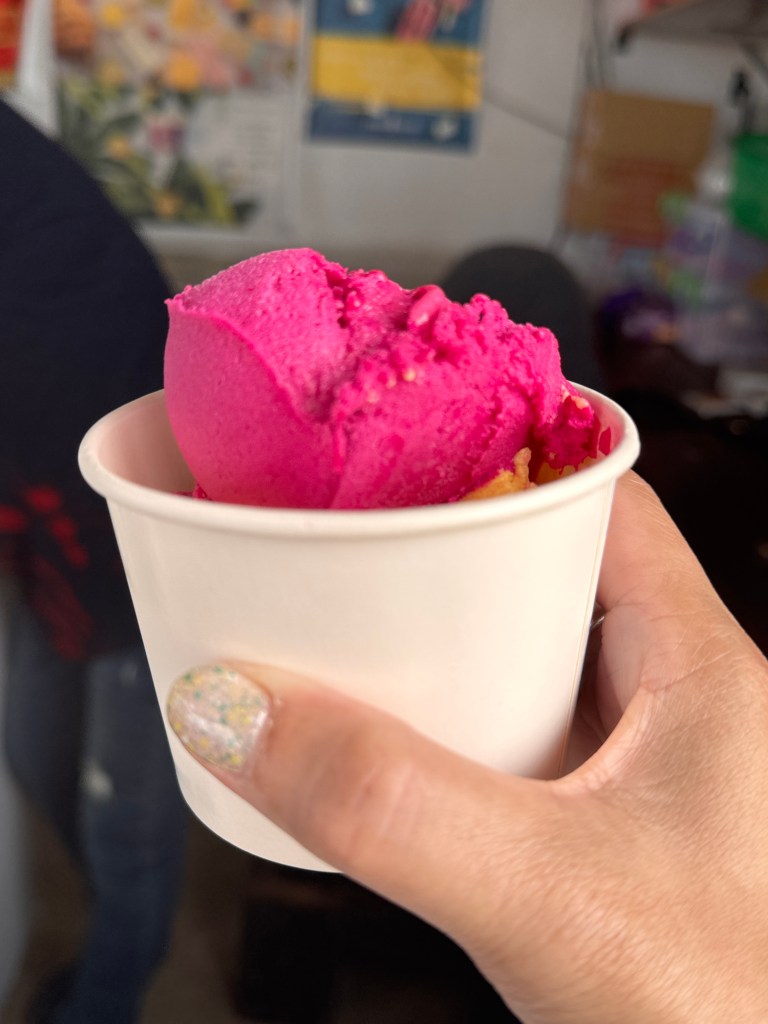
Cactus fruit is popular in Penghu, where cacti were historically planted near the ocean to deter pirates. Thriving in deserts with minimal rainfall, cacti find Penghu’s one month of annual rain ideal. Penghu offers a unique environment for cacti to flourish, contributing to the local cuisine and culture. Visitors often enjoy dishes incorporating cactus fruit, which is not only delicious but also rich in nutrients. Cacti have adapted well to the island’s conditions, becoming an integral part of Penghu’s agricultural landscape. Additionally, the historical use of cacti to protect against pirates adds an intriguing element to their presence in the region.
Penghu is known for its unique cactus-based treats, including cactus jelly, cactus cake, and the popular local cactus ice cream. The cactus fruit, which grows with yellow flowers and sharp spikes, has a bright red skin and an even deeper red flesh inside, filled with hard seeds. Its flavor is often compared to dragon fruit, but it’s packed with more seeds. People usually choose to either spit them out or swallow them, depending on their preference.
In conclusion, trying cactus fruit was a new and exciting experience for me. Initially, I was hesitant to eat it, but I eventually tried it and found it quite delicious. If you get the chance to try cactus fruit, be the first to do so; the taste is better than you might expect.
Why Athletes want to use drugs to improve themselves?
Athletes may use drugs to improve themselves for several reasons, even though it’s risky and often against the rules. Here are some of the main motivations:
To enhance performance
Drugs like anabolic steroids, EPO (erythropoietin), or stimulants can help athletes run faster, lift heavier, recover quicker, or build more muscle. For some, this can mean the difference between winning and losing.
To recover faster from injuries
Some drugs help reduce inflammation or speed up tissue repair, allowing athletes to get back in the game sooner.
To cope with pressure
The pressure to win or keep their spot on a team can be intense. Athletes might turn to drugs to gain an edge and stay competitive.
To match their competition
If they believe others are doping, some athletes feel they need to use drugs just to keep up and level the playing field.
Financial and career incentives
Success in sports can bring fame, endorsements, scholarships, and big money. For some, the rewards seem worth the risks.
Psychological reasons
Some athletes are perfectionists or have low self-confidence. Drugs might feel like a shortcut to achieving their goals or maintaining their self-image.
Why are drugs unlawful? Will those damages make their bodies irrecoverable?
Unfair advantage (cheating): Sports are meant to be a test of natural talent, training, and discipline. Using drugs gives some athletes an artificial edge, which goes against the spirit of fair play.
Health risks: Many of these drugs can seriously harm the body. Sports organizations ban them to protect athletes from long-term damage or even death.
Integrity of the sport: Fans and sponsors want clean competitions. If people believe the outcomes are drug-driven, it ruins trust in the sport.
Peer pressure prevention: If doping were allowed, even clean athletes might feel forced to take drugs just to stay competitive—creating a toxic environment.
Can the damage from these drugs be permanent?
Yes, some damages can be irreversible, depending on the drug and how long it was used. Here are a few examples:
1. Anabolic steroids Can cause liver damage, heart problems, hormonal imbalances, and psychiatric issues. In men, they can shrink testicles; in women, they can cause permanent voice deepening or facial hair growth.
2. EPO (used for stamina) Thickens the blood, increasing the risk of heart attack or stroke—sometimes suddenly and fatally.
3. Stimulants Can lead to addiction, high blood pressure, and heart issues.
4. Human Growth Hormone (HGH)
May cause abnormal bone growth, joint pain, or diabetes
Is using drugs fair to everyone?
No. Using drug isn’t fair because the people who did wont focus on practice they just keep on focusing on drug until they are obsessed and the people playing fair might practice their asses off and it’s not fair
What is the sportsman spirit?
Sportsmanship means playing fair, respecting teammates and opponents, and showing integrity. It’s about teamwork, honesty, and giving your best—without cheating. However if the athlete starts using doping, it is actually against the sportsman spirit.
In conclusion,I think athletes who use drugs are trying to win for their own benefit, but it’s not worth it. It damages their health, ruins the sport, and most importantly, it’s unfair to everyone who works hard and plays by the rules.
我問Sophia:「Which one do you prefer more? Watching your K-drama or traveling with me?」 她笑著回答我:「Travel! Even if it’s much more tiring, it’s still worth it!」
Why Isn’t Soccer as Popular as Baseball and Basketball in Taiwan?
Writer:Sophia Siu
As a Canadian, I grew up surrounded by hockey, but I also had easy access to sports like basketball, soccer (football), and baseball. However, after moving to Taiwan, I was surprised to find that soccer is not nearly as popular here. Given that soccer is one of the most widely played sports worldwide, with numerous regional and international competitions, I was curious about why Taiwan hasn’t embraced it to the same extent.
To gain insight into this issue, my mom and I interviewed a soccer coach from a public elementary school. Here are the key reasons he shared, along with possible solutions to promote soccer in Taiwan.
Why Is Soccer Not as Popular as Baseball and Basketball in Taiwan?
1. Historical Influences
Taiwan was under Japanese colonial rule for several decades, and during that time, baseball became deeply ingrained in the culture, as it was Japan’s most beloved sport. Basketball, on the other hand, gained traction through American influence. Over time, Taiwan established well-organized leagues for basketball, such as the HBL (High School Basketball League), TPBL (Taiwan Professional Basketball League), and The P. League+. In contrast, soccer has not developed similar professional structures.
2. Lack of Media Coverage and Advertisement
Due to its limited historical presence in Taiwan, soccer receives less media attention compared to basketball and baseball. This results in fewer televised games, minimal advertising, and a general lack of public awareness and enthusiasm.
3. Limited Corporate Sponsorship
With fewer spectators and a lack of widespread interest, local businesses see little incentive to sponsor soccer events. Without strong financial backing, it is difficult to organize professional leagues or promote the sport on a larger scale.
4. Insufficient School Programs
Many schools in Taiwan do not offer comprehensive soccer programs. Without early exposure and structured training, children have fewer opportunities to develop their skills and passion for the sport.
5. Underperforming Men’s National Team
Taiwan’s women’s soccer team has managed to qualify for events like the Asian Games, but the men’s team struggles to compete internationally. Without strong national representation, it is challenging to inspire young athletes to pursue soccer seriously.
6. Difficulty in Qualifying for Major Tournaments
Taiwanese soccer teams face steep competition when trying to qualify for regional tournaments, let alone global events like the FIFA World Cup or the Olympics. Without significant success on the international stage, the sport remains overshadowed by baseball and basketball.
Challenges Facing Soccer Development in Taiwan
Even though Taiwan has talented young soccer players, many abandon the sport once they reach high school. This is largely due to academic pressure from parents who prioritize education over athletics. Many Taiwanese families believe that soccer does not offer a financially stable career path, leading to a lack of long-term player development.
Moreover, there are limited professional opportunities for soccer players in Taiwan. With slim chances of competing in major international tournaments, many young athletes see little incentive to pursue soccer at a professional level.
How Can We Promote Soccer in Taiwan?
To increase soccer’s popularity and competitiveness, we need to take a multi-faceted approach:
Shift Parental Mindsets – Educate families on the benefits of sports, including soccer, in developing discipline, teamwork, and career opportunities in coaching, sports management, and international leagues.
Expand School Soccer Programs – Schools should introduce more structured soccer programs and integrate the sport into physical education curricula.
Increase Media Coverage and Advertising – Broadcasting more soccer games, featuring local players in advertisements, and promoting soccer events on social media can generate public interest.
Enhance Coaching Quality – Investing in coach training and certifications can improve player development at a young age.
Encourage Community Involvement – Establishing local leagues, hosting community tournaments, and fostering grassroots engagement can help build a stronger soccer culture.
Participate in International Competitions – Actively seeking opportunities to compete in international tournaments will expose Taiwanese players to higher-level competition and inspire national pride.
Conclusion
While soccer currently lags behind baseball and basketball in Taiwan, there are many ways to change this. By improving infrastructure, increasing awareness, and encouraging participation at all levels, Taiwan can build a more vibrant soccer culture. With time and effort, we can create a future where soccer becomes a widely enjoyed and competitive sport in Taiwan.
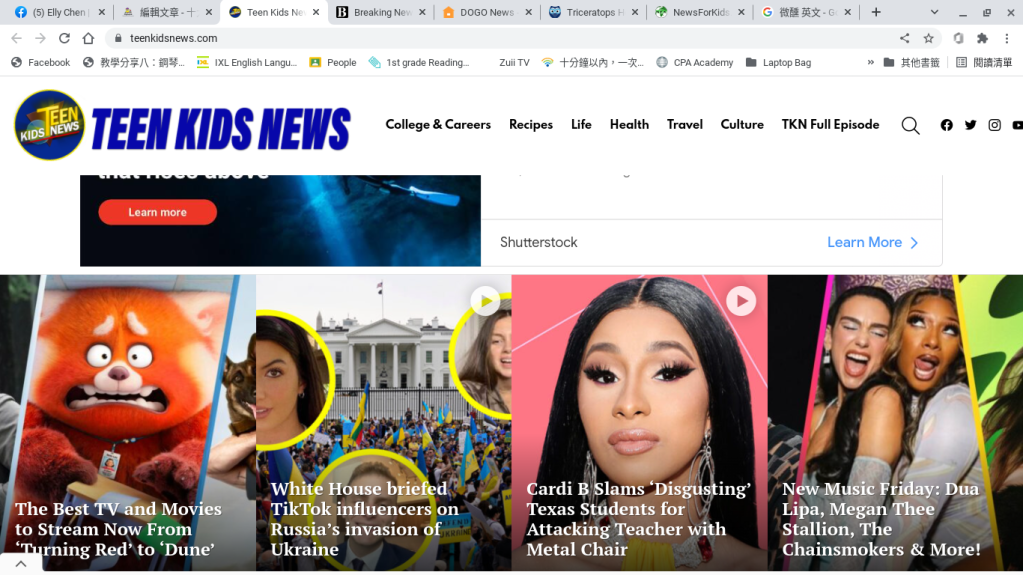
As Russia continues its brutal attack on Ukraine, much of the rest of the world is doing what it can – without actually fighting – to condemn Russia and support Ukraine.